When you think of science, what comes to mind? Is it a science lab with beakers and goggles and interesting experiments? Historical figures like Hedy Lamarr or Einstein? Maybe it’s pressing societal issues that impact humankind, like climate change or COVID-19? We might encounter all of these in pop culture, and they differ in an important way. Some science topics become culturally relevant because of excitement, interest, or novelty, such as movies about space travel. Some topics become more relevant to society when a problem exists, and we need more information to solve it, as in the case of the COVID-19 “infodemic,” in which misinformation loomed and trust in experts became more polarized.
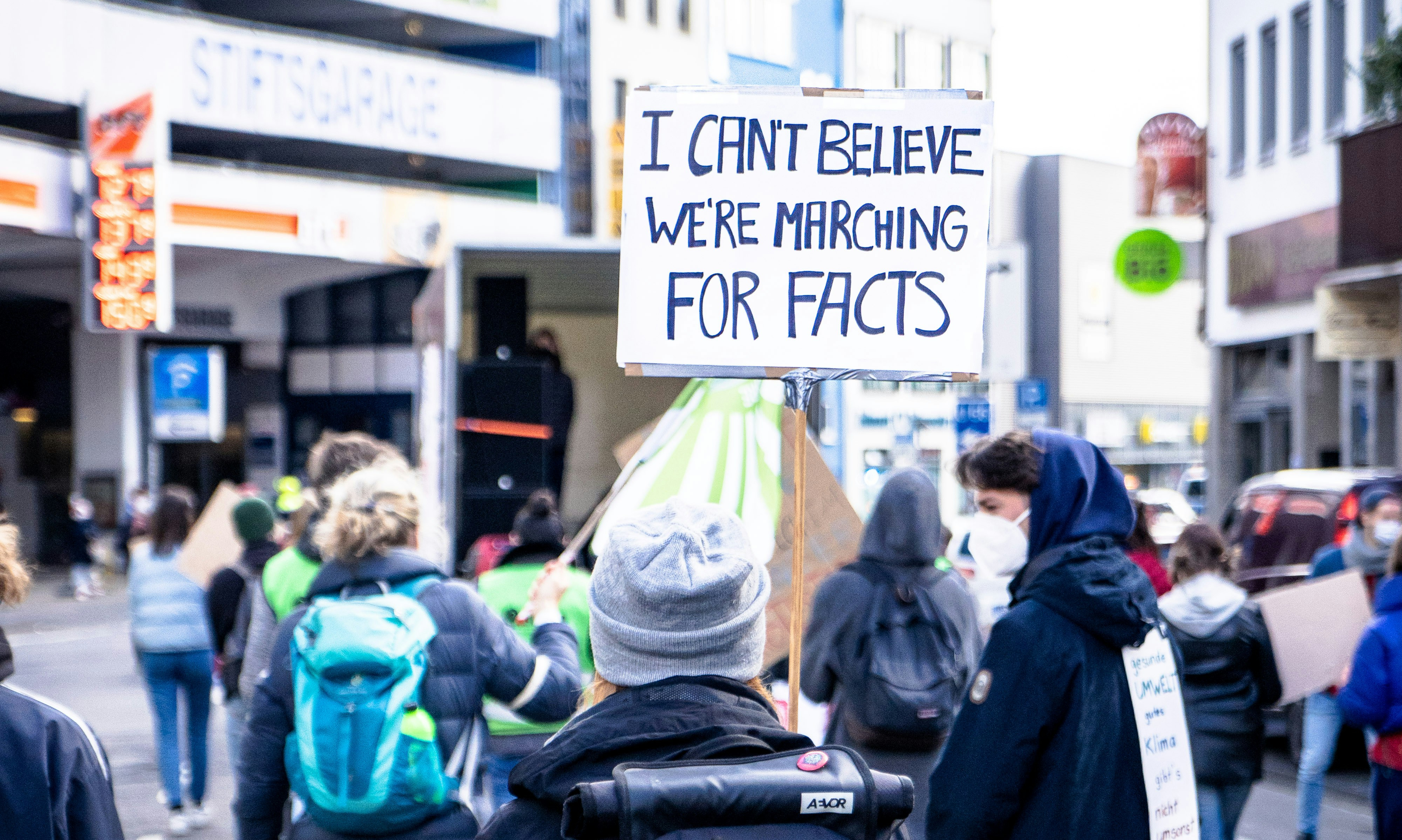
Like COVID-19, climate science often works to understand and address a problem facing society. And when competing interests are at play, these types of science can morph into a landscape of politicized discussion and debate. Yet, there is still a demand for climate-related information to make decisions, and bridging this gap is not always straightforward.
Challenges for Actionable Science
One challenge comes from funding models in the U.S., which predominantly prioritize and value discovery science. The federal budget defines basic science as work that identifies new knowledge, such as studying genomes. In addition to basic science, the government also funds applied science, which they define as discovery science that is aimed at some objective, like developing a new crop species. Both definitions involve scientific discovery, which is certainly valuable and encouraged, but it may not always leave room for scientists who wish to do more work alongside communities affected by the topic of their research, such as communities facing climate change effects.
Another, related challenge is that most academic scientists are required to participate in research, teaching, and service commitments, but not necessarily communication or interaction with the people who might use or inform their science, including scientists from other disciplines. In other words, although there is a growing recognition of this type of work, it may still be difficult to make space in one’s career aspirations for projects that require interdisciplinarity, collaboration with industries, or collaboration with policymakers or other groups. It is also very challenging to work as this type of boundary-spanner, collaborating across fields and disciplines while receiving little reward and vertical growth within one’s own department.
A Path Forward
Despite these institutional challenges, there is a great deal of momentum and information for scientists interested in actionable science. Groups like the American Meteorological Society and the Actionable Science Work Group Advisory Committee on Climate Change & Natural Resource Science (ACCCNRS) have published guidelines, and there is a growing body of research dedicated to the topic of co-production. Additionally, in terms of framing your career, frameworks like Ernest Boyer’s model of engaged scholarship may offer valuable guidance. Boyer identified four types of scholarship: discovery, integration, application, and teaching. This model shows that these forms of scholarship can feed into each other, creating an integrated approach to research that is both relevant and accessible.
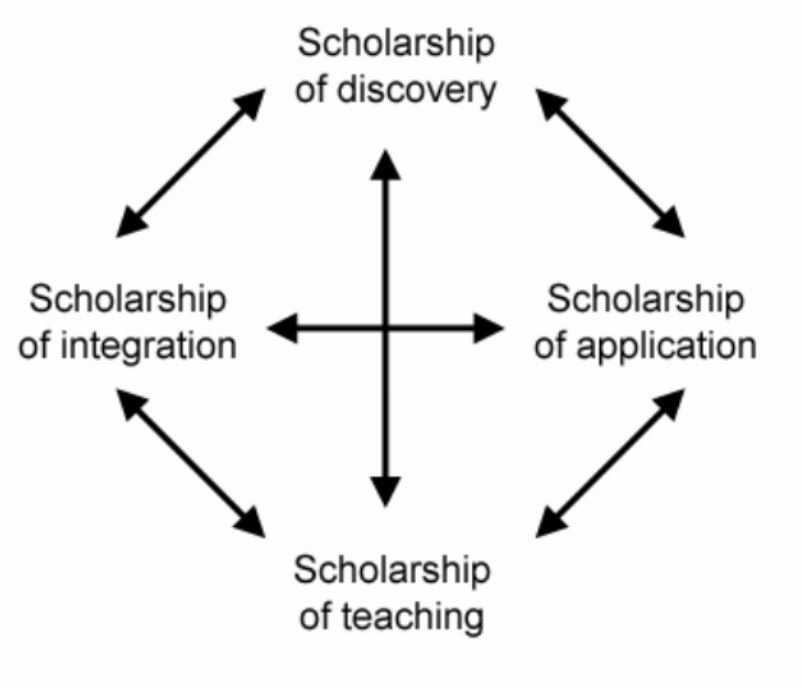
The Boyers model of scholarship, from Healey, 2014
For early career scientists, these insights can offer valuable lessons:
A Well-Rounded Career: By staying attuned to the realities of how people are discussing and experiencing climate change, biodiversity change, or whatever your science may focus on, you are more able to feed relevant knowledge and information into your discovery science, into teaching, and into relevant applications.
Benefits of communication and collaboration: Collaborating with experts in social sciences, policy, and other relevant fields can lead to more comprehensive and impactful research outcomes, and can more effectively address problems faced by individuals, communities, sovereignties, and unique ecosystems.
Research support: While there are some difficulties and challenges to face in doing this type of work, remember to connect with the communities of scientists doing similar work, the ECCN included. These groups can be collaborative and supportive and can help point the way toward appropriate funding and research activities.
Navigating Funding Sources: Understand the funding landscape and explore alternative funding sources, such as private foundations, non-profits, and international organizations, can support applied and engaged research.
For more about integrated scholarship, see“Three Approaches to Bridge the Research-Practice Divide” presented by Elyse Aurbach, the Director of Public Engagement and Research Impacts for the University of Michigan.
Other references:
Middleton, L., Cate, A., Newman, T., & Brossard, D. (2022). Understanding scientists’ perspectives on the basic and applied research distinction and how it matters for public engagement. AEJMC [Detroit, MI].
Boyer, E. L. (1990). Scholarship Reconsidered: Priorities of the Professoriate. Carnegie Foundation for the Advancement of Teaching.

 Early Career Climate Network