
by Paulina Ćwik
California’s identity is increasingly tied to wildfires – catastrophic events that claim lives, destroy property, and upend ecosystems annually. While fire has always been a natural part of the state’s ecology, the unprecedented scale and intensity of recent events highlight the growing crisis. At the heart of California’s wildfire problem are the powerful Santa Ana winds, compounded by a warming climate, prolonged droughts, and decades of land management challenges. To understand why California’s wildfires have grown so fierce, it’s essential to examine the natural and human-made factors that have created a landscape primed for destruction.
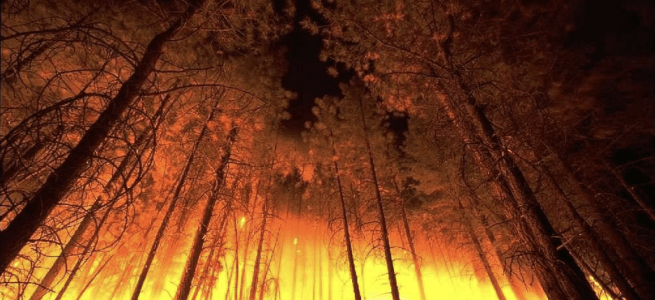
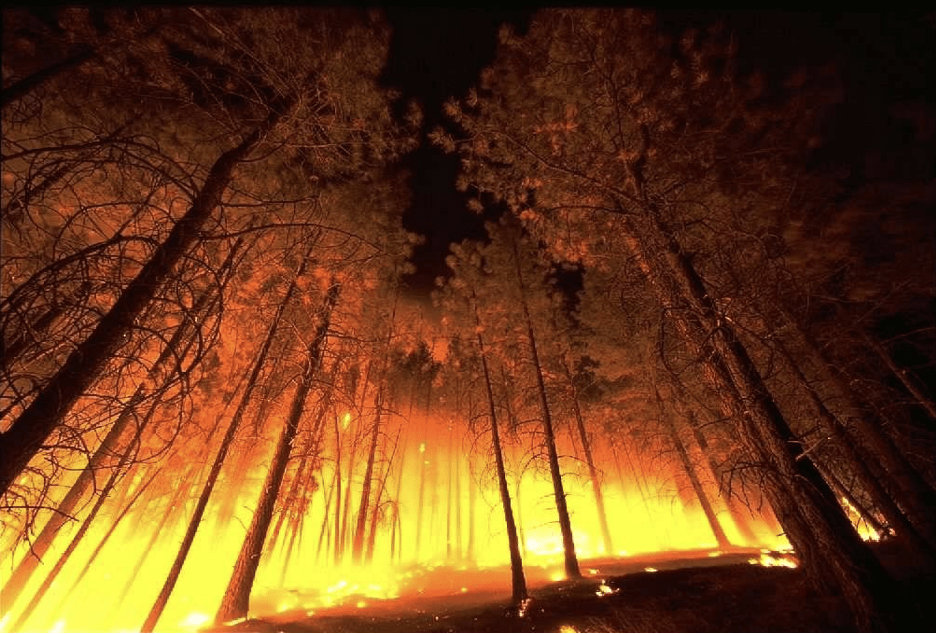
Among these factors, the Santa Ana winds—hot, dry gusts that sweep through Southern California in fall and early winter—play a pivotal role in driving wildfires. These winds originate from high-pressure systems over the Great Basin, a vast desert region spanning parts of Nevada, Utah, and Oregon. As the air flows toward lower-pressure coastal areas, it descends rapidly through mountain passes and canyons. During this descent, the air compresses, warms, and loses humidity, becoming increasingly dry. Funneled through narrow mountain corridors, the winds accelerate, creating the strong, gusty conditions that have made Santa Ana winds infamous. This combination of intense heat, dryness, and speed transforms vegetation into tinder, creating perfect conditions for wildfires (Fig.1) to ignite and spread with alarming speed.
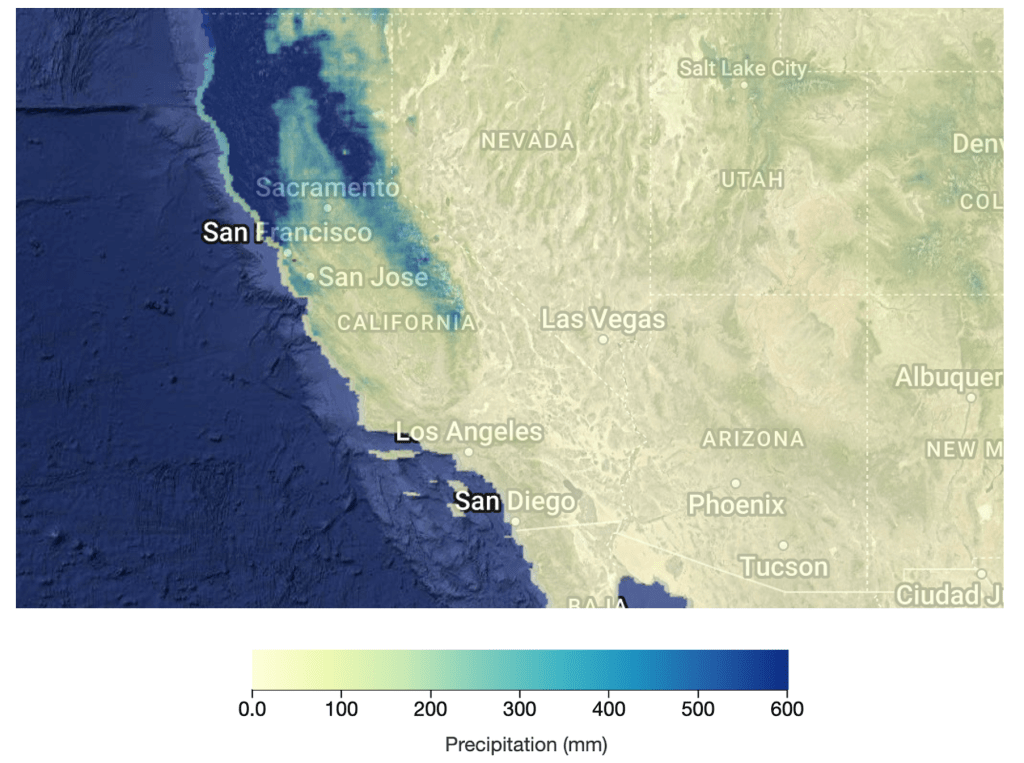
While Santa Ana winds are a natural phenomenon, their impacts have been significantly amplified by climate change. Rising global temperatures dry out vegetation, making it highly flammable, while prolonged droughts, intensified by warming trends, further deplete moisture in plants and soils. This combination of hotter, drier conditions has extended the fire season, transforming it from a late summer and fall occurrence to one that now stretches into winter, with devastating consequences. The 2020 wildfire season, marked by record-breaking destruction, exemplifies this new reality. Future projections indicate that Southern California’s fire season will continue to lengthen, with increasing risks as the Great Basin becomes more arid. This year, the expected wet season during the winter has also failed to materialize, with hardly any rainfall in recent weeks (Fig. 2), further exacerbating drought conditions and compounding the risk of wildfires.
In addition, California’s wildfire crisis is also rooted in a history of fire suppression policies that replaced Indigenous land management practices. Specifically, the Indigenous communities, like the Chumash and Gabrieleño peoples, used controlled burns to manage vegetation and reduce fuel loads, fostering ecosystems adapted to fire. However, modern fire suppression policies allowed vegetation to accumulate, resulting in an overabundance of flammable material and escalating the severity of wildfires. This approach has become economically unsustainable, with firefighting costs soaring as effectiveness declines. Under extreme conditions, fires often become uncontrollable, regardless of increased resources.
So, how do we proceed from here? Tackling California’s wildfire crisis requires a multifaceted approach that integrates science, policy, and community action. Key strategies should include:
- Fuel Management: restoring natural fire regimes through controlled burns, better forest management and removing invasive plants, and restoring native vegetation can help reduce fuel loads and mitigate wildfire risks.
- Land use planning: rethinking urban planning and development in fire-prone areas can minimize the human and economic toll of wildfires
- Community preparedness: investing in fire-resistant construction materials, updating building codes, and improving water infrastructure are critical for reducing wildfire impacts on homes and communities
- Restoring Indigenous practices: reintegrating Indigenous land management techniques can create healthier ecosystems that are better adapted to natural fire cycles
- Climate Resilience: reducing greenhouse gas emissions and adapting infrastructure to withstand changing climate conditions are essential for mitigating long-term risks
California’s wildfires are no longer solely natural phenomena; they are the result of the complex interplay between climate change, poor land management, policies and human development. Addressing this crisis requires a fundamental shift in perspective – moving from suppression to acceptance of fire as a natural force that must be managed through informed and sustainable practices. Building a future where California’s ecosystems and communities are resilient to wildfire impacts, though costly and challenging, requires a rapid implementation of policies based on scientific evidence and expert consensus, alongside proactive measures from industries, and communities. By integrating modern science with traditional knowledge and rethinking our relationship with fire, California might just have a chance to build future resilience against wildfires.

 Early Career Climate Network