Clay Tucker, Lindsey Middleton, Paulina Cwik The Early Career Climate Network (ECCN) began over 12 years ago at the Northwest Climate Bootcamp, an early-career workshop hosted by the Northwest Climate Adaptation Science Center. Graduate students and young faculty came together after that meeting to stay connected, support each other, and share ideas through the ECCN. … Continue reading The ECCN at 12
Tag: climate change
Scientists improve estimates of climate-warming methane from wetlands in Northern Europe

By Toni Klemm 2024 was the hottest year on record for planet Earth, with most of the warming coming from human activities that release climate-warming greenhouse gases, like carbon dioxide (CO2) or methane (CH4), into the air. Nature around us – for example, trees and soils – can absorb these gases and act as a … Continue reading Scientists improve estimates of climate-warming methane from wetlands in Northern Europe
Behind the Flames: Understanding California’s Wildfire Crisis
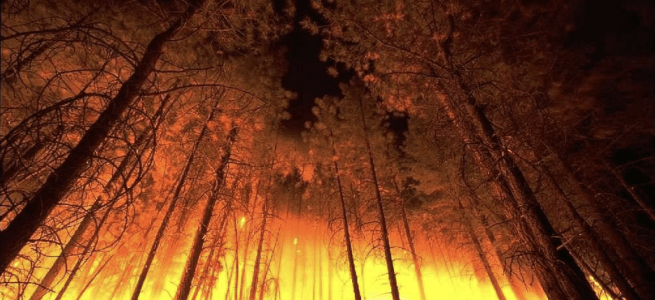
by Paulina Ćwik California’s identity is increasingly tied to wildfires - catastrophic events that claim lives, destroy property, and upend ecosystems annually. While fire has always been a natural part of the state’s ecology, the unprecedented scale and intensity of recent events highlight the growing crisis. At the heart of California’s wildfire problem are the powerful … Continue reading Behind the Flames: Understanding California’s Wildfire Crisis
Climate Communication Insights from Cooperative Extension Professionals
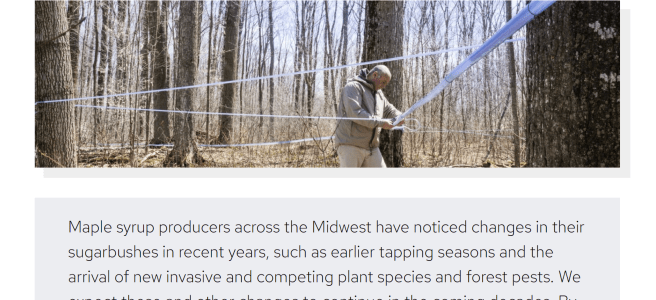
by Scott Hershberger In addition to research and education, U.S. land-grant universities have a third mission: bringing the institution’s research and resources into its state’s communities. The Cooperative Extension Service fulfills this mission, with a presence in nearly all of the country’s 3,000 counties. Extension professionals provide their local communities with timely, geographically specific scientific … Continue reading Climate Communication Insights from Cooperative Extension Professionals
Managing the Mississippi: How Topic Modeling Can Identify Priority Directions for New Mississippi River Research
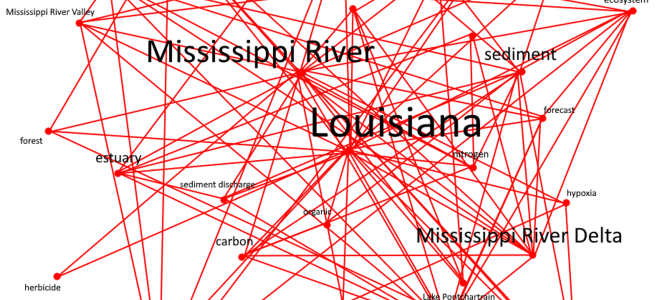
Topic modeling of research and management documents from the Mississippi River Basin
A Road Map to Actionable Science
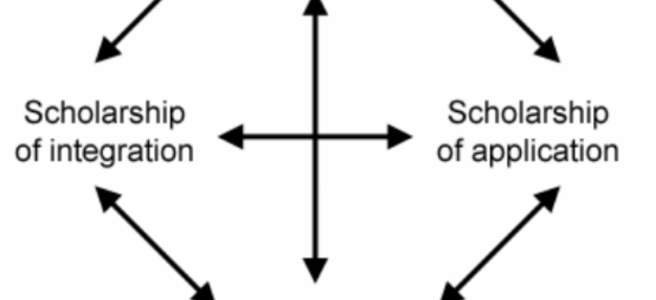
The challenges and opportunities that arise in actionable science
Rising Tides: The Growing Challenge of Overwash in the Pacific Islands
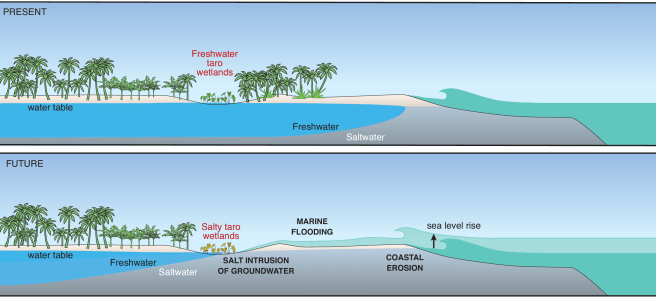
by Paulina Ćwik In a nutshell: Overwash is a newly-intensifying phenomenon impacting the Pacific Islands. Produced by a combination of storm swell and wave dynamics with coral reefs, overwash waves flood low-lying islands, compromising freshwater supplies. Research is underway to improve forecasting and bolster resilience to these events as they become more frequent due to climate … Continue reading Rising Tides: The Growing Challenge of Overwash in the Pacific Islands
Balancing Act: Navigating Environmental Considerations For Renewable Energy Development
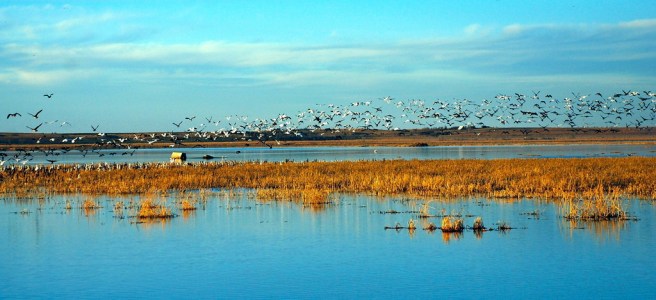
by Claire Burch Balancing Act: Navigating Environmental Considerations For Renewable Energy Development Nestled in central Kansas is Cheyenne Bottoms Wildlife Area, a key stopover point for migratory shorebirds and waterfowl in the United States. It is one of only 41 "Wetlands of International Importance" in the United States, which is a designation that protects rare, … Continue reading Balancing Act: Navigating Environmental Considerations For Renewable Energy Development
Unveiling Patterns: A Different Look at May Tornado Outbreaks in the United States
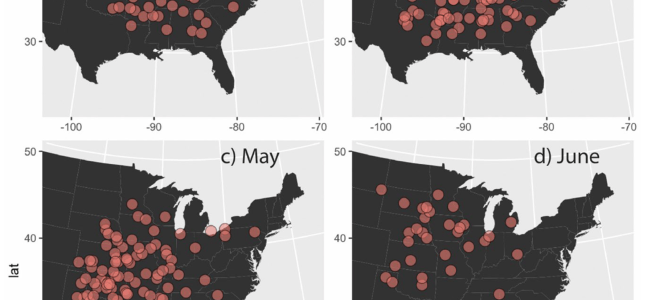
by Paulina Ćwik As the chill of winter recedes, giving way to spring's warmth, the United States enters a critical season for severe weather, notably marked by the increased likelihood of tornado outbreaks. While tornadoes can occur year-round, it's in the spring that conditions become particularly ripe for the most intense and widespread occurrences. Southern states … Continue reading Unveiling Patterns: A Different Look at May Tornado Outbreaks in the United States
The Ogallala Data Directory: A Data Resource for the Ogallala Aquifer Region
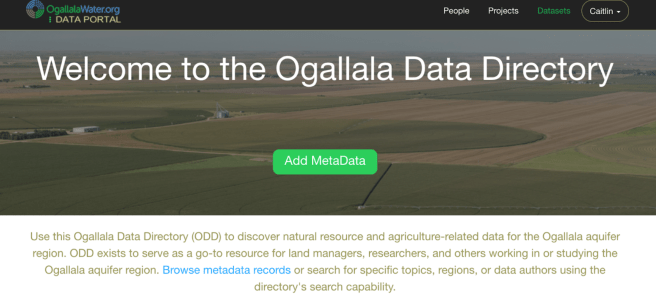
By Caitlin Rottler The Ogallala Aquifer is a critically important aquifer in the central United States, underlying approximately 111 million acres, including 1.9 million acres of Tribal land and 2.9 million acres of federal land. The land over the aquifer is the ancestral homeland of a number of tribes, including the Sioux, Arapaho, Cheyenne, Ponca, … Continue reading The Ogallala Data Directory: A Data Resource for the Ogallala Aquifer Region
 Early Career Climate Network